Introduction
In recent years, exosome research has garnered significant attention in the medical community, particularly in London, where several cutting-edge clinics are pioneering advancements in this fascinating field. Exosomes, tiny vesicles secreted by cells, play a crucial role in intercellular communication and have shown promise in various applications, from regenerative medicine to cosmetic enhancements. With the latest exosomes trends emerging rapidly, it's essential to explore how London's leading clinics are at the forefront of exosome research and therapy.
What Are Exosomes? Understanding Their Purpose
Exosomes are nano-sized vesicles ranging from 30 to 150 nanometers that are released by cells into bodily fluids. These vesicles carry proteins, lipids, and RNA molecules that can influence cellular behavior. They serve as a means of communication between cells and are involved in numerous physiological processes.
How Do Exosomes Work?
Exosomes facilitate intercellular communication by transferring molecular signals between cells. This mechanism allows them to influence various biological processes, including immune responses and tissue repair.
The Role of Exosomes in Medicine
Exosomal therapy is being investigated for its potential to treat diseases such as cancer, neurodegenerative disorders, and cardiovascular conditions. By harnessing the natural properties of exosomes, researchers aim to create targeted therapies with minimal side effects.
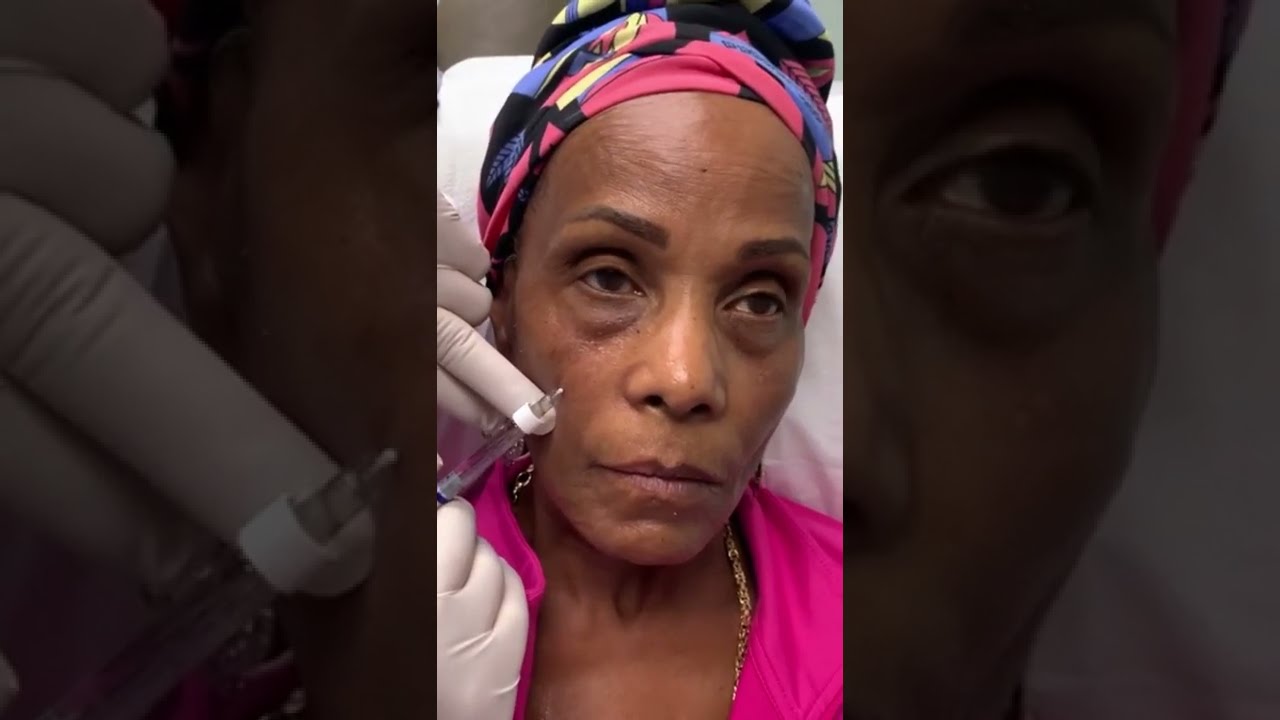
London's Leading Clinics on the Frontlines of Exosome Research
Several clinics in London are at the forefront of exosome research, each contributing unique insights into their therapeutic potential. From innovative treatment protocols to groundbreaking studies, these clinics are redefining what’s possible with exosomal therapy.
1. The Exosome Therapy Clinic
Located in central London, this clinic specializes in advanced regenerative treatments using exosomes sourced from umbilical cord mesenchymal stem cells. The clinic combines traditional medicine with cutting-edge technology to offer patients personalized therapies.
Services Offered
- Regenerative medicine Skin rejuvenation treatments Hair loss solutions
Latest Innovations
The clinic recently launched a new protocol focusing on utilizing exosomes for skin rejuvenation—a trend that's gaining traction among beauty enthusiasts across London.
2. The London Health Clinic
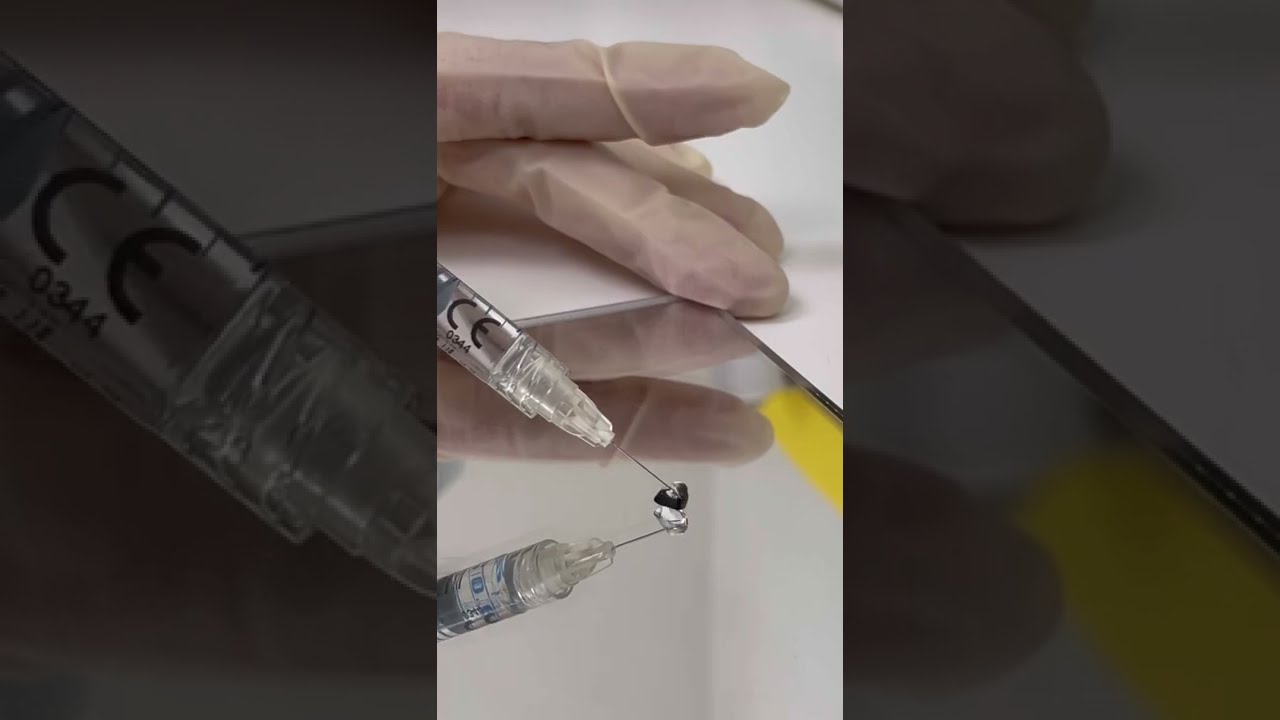
This clinic is known for its comprehensive approach toward health and wellness through innovative therapies like exosomal treatment for various ailments.
Key Treatments
- Autoimmune disease management Chronic pain relief Anti-aging treatments
Clinical Trials and Research
They’re actively involved in https://mesglolondon.co.uk/exosome-for-hair-loss-london/ clinical trials aimed at understanding how exosomes can be effectively used in treating autoimmune disorders.
3. Advanced Regenerative Medicine UK (ARM)
ARM is another key player in London's landscape of exosomal research. They focus on harnessing the power of exosomes for tissue engineering and regenerative therapies.
Focus Areas
- Orthopedic injuries Wound healing Cosmetic procedures
Partnerships and Collaborations
The clinic collaborates with universities and biotech firms to push forward their research initiatives focused on novel applications of exosome therapy.
Exosomes for Skin: Transforming Aesthetic Treatments
One of the most exciting applications of exosome research is its ability to enhance skincare treatments. Clinics across London are increasingly offering skin rejuvenation procedures that utilize these vesicles' regenerative capabilities.
Benefits of Using Exosomes for Skin Treatments
Enhanced collagen production. Reduced inflammation. Improved hydration levels. Faster healing times post-treatment.Popular Procedures Utilizing Exosomes
- Facial rejuvenation Acne scar treatment Hair restoration
By incorporating exosomal therapy into aesthetic practices, clinics not only provide innovative solutions but also position themselves as leaders within the ever-evolving beauty industry.
Current Trends in Exosome Research
As interest grows around this area of study, several trends have emerged that highlight the potential future directions for exosome research:
1. Personalized Medicine Approaches
Tailoring treatments based on individual patient profiles is becoming more common as researchers recognize that one-size-fits-all solutions may not be effective when it comes to exosomal therapies.
2. Focus on Safety and Efficacy
With ongoing debates about regulatory standards surrounding these treatments—particularly regarding FDA approval—clinics are prioritizing rigorous testing protocols before introducing new therapies to ensure patient safety.
3. Integration with Other Therapies
Combining exosomal therapy with other treatment modalities—such as stem cell therapy or platelet-rich plasma (PRP)—is a growing trend aimed at enhancing overall outcomes for patients.
Latest Exosome News: Breakthroughs from London's Clinics
Keeping up-to-date with excitable developments in local clinics is vital for anyone interested in this field:
Recent Clinical Findings
Many clinics have published their findings showing promising results related to chronic inflammatory diseases treated with individualized exosomal therapies.
Regulatory Updates
In light of recent discussions about approvals related to exosomal products—particularly concerning their classification as drugs or biological products—clinics remain vigilant about compliance while advocating for more lenient regulations that could accelerate availability for patients.
FAQs About Exosome Therapy
1. What conditions can be treated using exosomal therapy?
Exosomal therapy shows promise for a range of conditions including autoimmune diseases, chronic pain disorders, skin aging issues, and even hair loss problems.
2. Is there any scientific evidence supporting the efficacy of exosome treatments?
Yes! Numerous studies have highlighted positive outcomes associated with using exosomal therapies across various fields such as dermatology and rheumatology.
3. Are there any risks associated with receiving an exosome treatment?
While generally considered safe due to their biocompatibility properties derived from human tissues—the risk may vary depending on individual health factors; hence it’s essential always consult healthcare professionals before proceeding further!
4. How do clinics source their exosomes?
Most reputable clinics obtain their supply from ethically sourced stem cells collected during childbirth (umbilical cord tissues) ensuring high-quality standards throughout processing stages!
5. Is FDA approval required for all types of exosomal products?
Currently—the FDA hasn’t formally approved specific products marketed solely based on being derived from human-expressed origins—but certain applications fall under general regulatory frameworks depending upon intended uses!
6. What should I look for when choosing a clinic offering these services?
Research credentials such as clinical trial involvement; ethical sourcing practices followed within operations; established partnerships with academic institutions focusing heavily on advancing cutting-edge methodologies!
Conclusion
As we navigate through exciting developments surrounding London's leading clinics at the forefronts—exome-based innovations signify transformative possibilities spanning diverse fields ranging beyond aesthetics! With ongoing investments into rigorous scientific inquiry paired alongside governmental regulation dialogues gradually unfolding over time—prospects appear bright indeed! Keeping abreast concerning emerging trends will enable individuals seeking out optimized solutions tailored specifically towards achieving improved quality living options long-term!
Whether you're interested purely out-of-curiosity or exploring personal therapeutic avenues—understanding tricks behind effective application methods becomes paramount! For further reading visit resources like Why Are Exosomes Controversial, What Is The Purpose Of The Exosomes, or Is Exosome Therapy FDA Approved.
Stay tuned for updates because you won’t want to miss what’s coming next!